


What Is a Zone Control System and Is It Worth It for a Texas Home?
A zone control system splits your home into separate temperature zones, each with its own thermostat, and uses motorized dampers in the ductwork to send cooling or heating only where it is needed. It works best in two-story homes, homes with additions, and houses with rooms that never match the thermostat. It does not fix leaky ducts or an undersized unit, so the first step is finding out why your rooms are uneven.
How does a zone control system work?
A standard home has one thermostat and one set of ducts, so the whole house gets the same call for cooling. A zoned system adds a control panel, a thermostat for each zone and motorized dampers inside the ducts. When the upstairs thermostat calls for cooling and the downstairs does not, the dampers open for the upstairs zone and close for the downstairs zone. The air conditioner serves the area that needs it.
The system also has to manage airflow when only one small zone is calling. Too little airflow across the coil can cause freezing or poor performance, so a good design accounts for that with proper duct sizing and a controlled way to relieve pressure. Zoning is a design job, not just a part you bolt on.
Which Gulf Coast homes benefit most?
Heat rises, and Houston Bay Area summers are long and humid. These situations are where we see zoning make a real difference:
- Two-story homes: upstairs bedrooms run hot while the first floor is comfortable. Many homes in League City, Friendswood and Pearland fit this pattern.
- Rooms over garages or with large west-facing windows: these take on afternoon heat and trail the rest of the house.
- Additions: a sunroom or added bedroom often shares ducts that were sized for the original floor plan.
- Homes with rooms used at different times: a guest room or home office does not need the same cooling schedule as a living room.
- Larger single-story slab homes: long duct runs through the attic can leave far rooms warmer than near ones.
Does zoning save energy?
It can, because you stop cooling rooms nobody is using. The U.S. Department of Energy reports that setting your thermostat back 7 to 10 degrees for 8 hours a day from its normal setting can save up to 10 percent a year on heating and cooling. Zoning lets you apply that kind of setback to part of the house, such as the upstairs during the day or the guest rooms most of the year.
Savings depend on your home, your habits and your equipment. A zoned system will not save much in a small house where every room is used all day. Be skeptical of any promise of a specific dollar figure without someone looking at your home first.
Does a zone control system make the AC last longer?
It can help if the current problem is that the system runs nonstop trying to cool one hot room. Fewer long run times mean less wear on the compressor and blower. It can also work against you if the zoning is poorly designed, because limited airflow strains the equipment. This is why the installer matters as much as the product.
What should I check before adding zoning?
Zoning is often the right answer to an uneven house, but not always. Rule out the simpler causes first:
- Duct leaks: ENERGY STAR notes that a typical home loses 20 to 30 percent of the air moving through its ducts to leaks and poor connections. Sealing ducts can fix a hot room by itself.
- Attic insulation: a thin layer over a hot Texas attic pushes heat down into the rooms below. See our page on insulation.
- Equipment size: an undersized or oversized system will not solve a zoning problem.
- Dirty coil or filter: these reduce airflow to every room.
A technician should measure airflow and look at the ductwork before recommending zones. If the existing system is in good shape and the layout is the problem, zoning is a good fit.
Is zoning the same as a ductless mini split?
No, but they solve similar problems. Zoning controls airflow inside an existing duct system served by one air conditioner. A ductless system adds separate indoor units, which suits additions and rooms with no ductwork. Which one is better depends on your layout, your existing equipment and your budget. If your main system is nearing the end of its life, ask about both options before you commit to one.
Can zoning work with a smart thermostat?
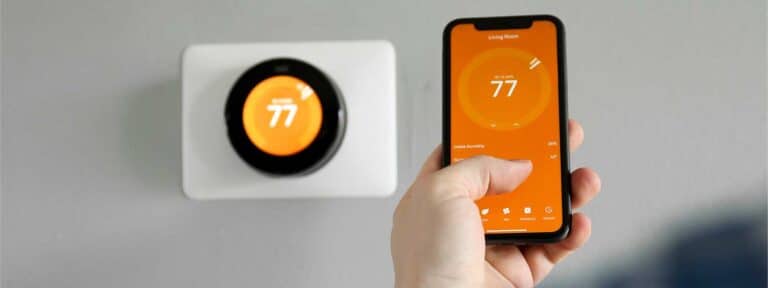
Often yes. Some zone panels work with specific thermostats and some use their own, so check compatibility before buying either one. If you are comparing options, our guide to smart thermostats explains what they do, and our digital thermostat page covers installation.
What does installation involve?
A technician evaluates the ductwork and the equipment, decides where the zones should be split, and installs the dampers, zone panel and thermostats. In an attic system, that means working in tight, hot spaces, so expect the work to take most of a day or longer depending on the home. A good installer tests airflow in every zone before leaving and shows you how to set schedules. Ask how the system handles low airflow when only one zone is calling.
Zoning pairs well with regular maintenance. Dampers, wiring and thermostats all need to be checked along with the rest of the system, which our AC maintenance visits cover.
Who can I call about zone control in the Houston Bay Area?
Vanderford Air & Plumbing is a licensed local company serving Dickinson, League City, Galveston, Texas City, Pearland, Friendswood, Clear Lake, Webster and the surrounding area since 1976. We hold license #TACLA21258C, our technicians are NATE-certified, and we offer same-day service. Read more about zone control systems or call (281) 344-2925 to have a technician look at your home.